

News
How to Clean and Freshen Your Car Interior at Home
Updated August 30, 2026

If your car smells stale again soon after an air freshener fades, the source is still there. Crumbs, damp mats, a forgotten spill, dust in vent slats, or moisture in fabric can all hold odour. The useful fix is to find that source, clean it, and let the cabin dry fully before adding any fragrance.
This home routine moves from dry debris to careful damp cleaning: empty the cabin, vacuum, wipe hard surfaces, clean the vents and screens, treat seats and carpets according to their material, then ventilate until everything is dry. Read your vehicle manual and each cleaning-product label first, especially around screens, leather, fabric, and trim.
What you need before you start
Gather the tools first so a cloth used on a dirty sill or wheel never reaches the dashboard or screen. A basic setup includes:
- A vacuum with a crevice attachment
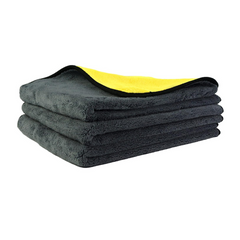
- Clean microfiber cloths kept separate for screens, hard surfaces, and damp work
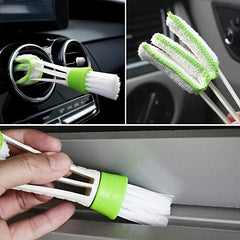
- A soft detailing brush or car AC vent cleaner brush
- A cleaner approved for the surface you are treating
- A soft brush for fabric or carpet, when the care instructions allow it
- A bag for rubbish and a container for items you remove from the cabin
The 6-in-1 car cleaning kit groups several hand tools in one box. If you are comparing a kit with separate tools, see the car cleaning kit guide or browse the full car-cleaning collection.
Park in shade and let hot surfaces cool. Switch the car and infotainment system off. Open the doors where it is safe to do so, and test a new cleaner on a small hidden area before treating a larger section.
Step 1: Empty the cabin and trace the odour
Remove floor mats, bottles, wrappers, charging cables, loose items around child seats, and anything stored in the door pockets or boot. Check under the seats and along the seat rails. A small food spill or damp cloth can be difficult to see but easy to smell once the car has been closed in the sun.
If a child seat is installed, clean around it unless you are following the restraint maker's removal and reinstallation instructions. Do not disturb wiring or connectors beneath powered seats. Move a seat only as described in the vehicle manual, and stop if an object blocks the rail. Keep removed items together so nothing is left near the pedals.
Notice when the smell appears. If it is strongest near a mat or seat, inspect that area for moisture or residue. If it starts when the fan runs, check the cabin-filter service schedule and have the ventilation system inspected if the smell persists. A fuel, burning, or sharp chemical smell needs diagnosis, not perfume.
Step 2: Vacuum from the upper surfaces down
Start with loose dust on the dashboard and upper trim, then move to the seats, seams, door pockets, centre console, carpets, and floor mats. Use the crevice tool around seat rails and between cushions. Working downwards means dust that falls during the first pass is collected from the carpet at the end.
Move slowly rather than pressing the nozzle into delicate trim. Shake the mats outside the car, vacuum both sides, and keep them out until the cabin floor is clean. If grit remains in a seam, loosen it gently with a soft brush while holding the vacuum nearby.
Step 3: Wipe the dashboard, console, and doors
Remove dry dust before using a damp cloth. Spray any approved cleaner onto the cloth instead of directly into switches, seams, speakers, or vents. Wipe one small area at a time, then use a second clean cloth if the surface needs drying or buffing.
Use separate cloths for dirty lower door areas and dashboard surfaces. That helps keep grit from being carried onto trim. Keep a clean microfiber cleaning cloth separate for dashboard work. The microfiber cloth guide explains how cloth choice and clean handling fit into car care.
Step 4: Clean AC vents and screens carefully
Turn the fan off before cleaning the vent slats. Use a dry, soft vent brush and work gently across each slat. Hold a vacuum nozzle nearby to collect the loosened dust. Do not push the tool deep into the duct or spray liquid into the vent opening.
For the infotainment screen and digital cluster, use a separate clean microfiber cloth so grit from the dashboard is not dragged across the display. Follow the cleaning method in the vehicle manual. Do not spray liquid directly onto the screen, and avoid pressing hard around its edges. If the manual permits a damp cloth, dampen the cloth lightly rather than the display.
Step 5: Clean seats, carpets, and mats by material
Fabric, leather, synthetic trim, and carpet do not all use the same cleaner. Check the vehicle manual and product label, then patch-test first. Use as little moisture as the job allows, particularly on seat padding and fixed carpet where trapped dampness takes longer to escape.
On fabric, work on a small section and blot lifted dirt instead of soaking the material. On leather or leather-like trim, use only a product approved for that finish and wipe away residue as directed. Treat floor mats outside the cabin and keep them out until they are dry.
Avoid saturating the headliner. Its fabric and backing can be more sensitive to moisture and pressure than a removable mat. If the headliner has a large stain or sagging material, professional cleaning is the safer route.
Step 6: Dry the cabin and freshen it at the source
Leave the cleaned mats outside the car until they are dry. Ventilate the cabin with the doors or windows open where it is secure, and do not close damp seats or carpet inside the vehicle. A cabin that is visually clean but still damp can develop the same stale smell again.
Once the interior is dry, check the original problem area. If the odour has gone, fragrance is optional rather than a cover-up. If it remains, inspect nearby seams, underlay, the boot, and the cabin filter. Persistent dampness after rain may point to a leak that needs repair.
Common odour clues and what to check first
- Musty after rain: feel the mats and carpet for dampness and look for a water entry point.
- Strongest when the fan starts: check the cabin filter schedule and arrange an AC-system inspection if cleaning the visible slats does not help.
- Food or sweet drink smell: inspect cup holders, seat seams, rails, and the carpet below the seats.
- Wet-cloth smell: remove damp towels, umbrellas, or cleaning tools and dry the storage area.
- Fuel, burning, or sharp chemical smell: stop trying to mask it and have the vehicle checked.
A simple routine that keeps the cabin easier to clean
Remove rubbish and wet items when you leave the car. Wipe spills early, shake out mats when they collect grit, and vacuum when debris becomes visible in seams or carpet. Keep the screen cloth clean and stored away from the cloth used on lower doors or other dirty areas. Follow the vehicle's service schedule for the cabin filter.
The goal is not to deep-clean on a rigid calendar. A car used daily in dust, rain, or family traffic will need attention sooner than one driven occasionally. Respond to visible dirt, dampness, and odour before they spread through more of the cabin.
When professional help makes sense
Get help when carpet stays wet, mould is visible, a strong smell returns after drying, a stain reaches deep seat padding, or an odour begins with the fan and does not improve after routine maintenance. The same applies to fuel, burning, or unexplained chemical smells. Those problems need inspection rather than another layer of deodoriser.
Frequently asked questions
How do I freshen my car interior without masking the smell?
Remove rubbish and damp items, vacuum the cabin, clean the area where the smell is strongest, and let every damp surface dry fully. Add fragrance only after the source has gone.
What usually causes a stale smell inside a car?
Common sources include food residue, damp mats, wet fabric, spills under a seat, and odour that appears when the ventilation fan starts. Trace where and when the smell is strongest before cleaning.
Can I use the dashboard cloth on the infotainment screen?
Use a separate clean microfiber cloth for the screen so dashboard grit is not transferred to the display. Follow the vehicle manual and never spray liquid directly onto the screen.
How do I remove dust from car AC vents?
Switch the fan off, work gently across the visible slats with a dry soft brush or vent tool, and hold a vacuum nozzle nearby to collect loosened dust. Do not spray liquid into the vent.
How do I know the seats and carpets are dry?
If the cleaned area still feels damp or smells damp, keep ventilating and leave the mats out. Get professional help if moisture persists or you cannot tell whether deeper padding has dried.
How often should I clean my car interior?
Use the condition of the cabin rather than a fixed calendar. Remove spills and damp items promptly, then vacuum and wipe surfaces when dirt becomes visible or an odour begins to develop.
Shop the fit
Explore Armour Guards products
Browse relevant protectors and car-care accessories from Armour Guards.
Shop now